
"endangered species"
200 article(s) found
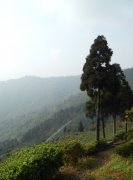
What kind of black tea is better in India? Assam produces Organic Red Tea Banaspaty Tea Garden
For a long time, the tea garden built on the forest cover has been in a direct line of fire, and wild animals often sneak into the tea garden. Like elephant atrocities, leopard attacks on villages, hunters poaching unaccounted for one-horned rhinos, most areas are rife with violence, and animal and human losses are increasing. Inside and outside the tea garden

Ecuador Independent Manor Pepe Jijon caturra Red honey processed coffee beans Flavor characteristics
Professional coffee knowledge exchange More coffee bean information Please pay attention to coffee workshop (Weixin Official Accounts cafe_style) FINCA SOLEDAD-PEPE JIJON Ecuador Farm Image Pepe Jijon is a unique coffee farmer He is an avid mountaineer and has climbed the summit of Mount Everest and every major mountain on every continent (he even has Brazil's national foot).

A brief introduction to Coffee Culture in Ethiopia
Sustainable coffee culture Ethiopian coffee beans grow in close to the natural environment, after years of planting under the same growth conditions, Ethiopian coffee beans have gradually adapted to the environment here. More than 60% of coffee beans are grown in forests or semi-forests. The villages that grow coffee in large areas account for about the total amount of coffee produced in the country.

The unique Coffee Culture of Lavita Manor in Costa Rica and the testing record of washing Vera Shachi Cup
Rony Asencio, the owner of Lavita Manor, and his family have been growing coffee in Finca San- ta Ana La Huerta since 1990. Before that, Rony's family originally owned a coffee farm in the colonial Antigua region. When Rony was 15 years old, there was no one to manage the farm after his father died.

Introduction to the flavor and taste characteristics of Rwanda coffee manor with rich fruit flavor
The watershed between the Congo basin and the Nile basin runs through Rwanda from north to south, with about 80 per cent of the country draining from the Nile and about 20 per cent from the Ruzi River and Lake Tanganyika. The longest river in the country is the Niabalongo River (Nyabarongo River) in the southwest, which turns north, east and southeast and flows into the Luwuwu River to form the Kagaila River.

Introduction of flavor and taste of varieties in Rwanda coffee manor with excellent evenness
Rwanda has many mountains and is known as the country of a thousand hills. The whole country is at a high altitude: the lowest point, the Luzizi River, is also 950 meters above sea level. The Midwest is dominated by mountains, which are part of the Aberdeen Rift Valley, which is part of the East African Rift Valley, extending from north to south along the western border of Rwanda. The highest mountain in the country is located in the northwest of Wei.

Ethiopia Coffee Bean Flavor Manor introduces Ethiopian boutique coffee beans
Ethiopian coffee beans grow in close to the natural environment, after years of planting under the same growth conditions, Ethiopian coffee beans have gradually adapted to the environment here. More than 60% of coffee beans are grown in forests or semi-forests. Large-scale coffee-growing villages account for about 35% of the country's total coffee production. Many of these are used.

Coffee producing and growing areas in Ethiopia
Ethiopian coffee beans grow in close to the natural environment, after years of planting under the same growth conditions, Ethiopian coffee beans have gradually adapted to the environment here. More than 60% of coffee beans are grown in forests or semi-forests. Large-scale coffee-growing villages account for about 35% of the country's total coffee production. Many of these are used.

Ethiopian coffee, culture, development
Ethiopian coffee Ethiopia has unique natural conditions and is suitable for growing all imaginable varieties of coffee. As a highland crop, Ethiopian coffee beans are mainly grown in areas between 1, 100 and 2300 meters above sea level, roughly distributed in southern Ethiopia. Deep soil, well drained soil, weakly acidic soil, laterite

Characteristics of Ethiopian Coffee beans Grinding scale Variety treatment Manor
Total Ethiopian coffee production Ethiopia's Buna (coffee) ceremony is a long process, averaging about 1.5 hours. The ceremony, which takes place every day, aims to come to the conclusion that it may be a marriage proposal or a mediation of family conflict. The first is roasted coffee beans. When the coffee beans are roasted, the coffee will be made by women (who often dress up).

High quality Coffee production and sales of Coffee from Ethiopia Coffee
Ethiopian coffee beans grow in close to the natural environment, after years of planting under the same growth conditions, Ethiopian coffee beans have gradually adapted to the environment here. More than 60% of coffee beans are grown in forests or semi-forests. Large-scale coffee-growing villages account for about 35% of the country's total coffee production. Many of these are used.

Introduction to Coffee Culture and Flavor in Ethiopia
Sustainable coffee culture Ethiopian coffee beans grow in close to the natural environment, after years of planting under the same growth conditions, Ethiopian coffee beans have gradually adapted to the environment here. More than 60% of coffee beans are grown in forests or semi-forests. The villages that grow coffee in large areas account for about the total amount of coffee produced in the country.

Ethiopian Coffee Manor Ted Manor Ethiopian Coffee producing area
Ethiopian coffee beans grow in close to the natural environment, after years of planting under the same growth conditions, Ethiopian coffee beans have gradually adapted to the environment here. More than 60% of coffee beans are grown in forests or semi-forests. Large-scale coffee-growing villages account for about 35% of the country's total coffee production. Many of these are used.

Ethiopian Coffee Bean Flavor Manor introduces Ethiopian Coffee Brands
Ethiopian coffee beans grow in close to the natural environment, after years of planting under the same growth conditions, Ethiopian coffee beans have gradually adapted to the environment here. More than 60% of coffee beans are grown in forests or semi-forests. Large-scale coffee-growing villages account for about 35% of the country's total coffee production. Many of these are used.

Introduction of Ethiopian Coffee producing areas with unique Natural conditions
Ethiopian coffee beans grow in close to the natural environment, after years of planting under the same growth conditions, Ethiopian coffee beans have gradually adapted to the environment here. More than 60% of coffee beans are grown in forests or semi-forests. Large-scale coffee-growing villages account for about 35% of the country's total coffee production. Many of these are used.

Ethiopian Fine Coffee Flavor characteristics of Ethiopian Coffee Yega Chefe Coffee
Ethiopian coffee beans grow in close to the natural environment, after years of planting under the same growth conditions, Ethiopian coffee beans have gradually adapted to the environment here. More than 60% of coffee beans are grown in forests or semi-forests. Large-scale coffee-growing villages account for about 35% of the country's total coffee production. Many of these are used.

An introduction to the coffee culture and flavor of the long and rich Chilmel Manor in Rwanda
Located in the central part of Rwanda, Kigali, which was founded in 1907, is the political, economic and cultural center of the country. It covers an area of 730 square kilometers and has a population of 1.13 million (2013), 70 per cent of which are in the suburbs. With a pleasant climate, tidy appearance, orderly traffic and good law and order, Kigali is considered one of the safest capitals in Africa and became the first African capital in 2008.
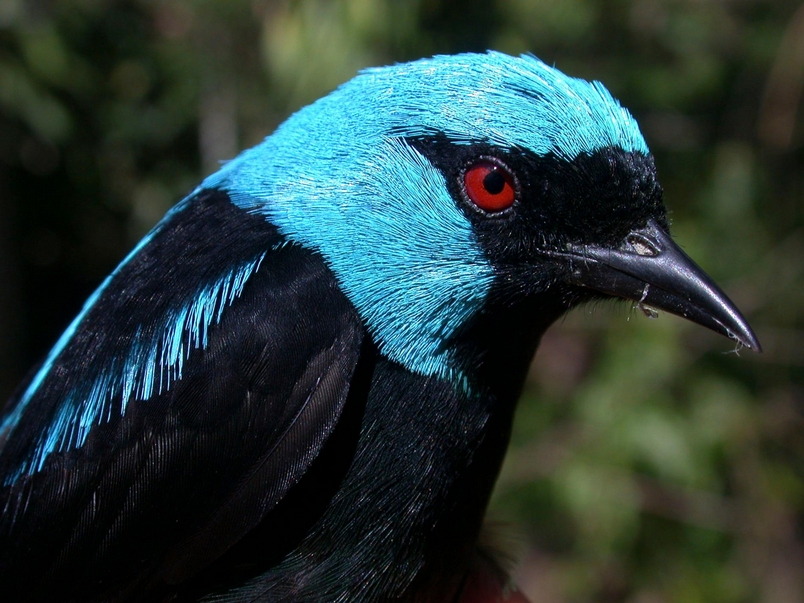
When you drink coffee, do you ever think about the homeless birds?
Professional Coffee knowledge Exchange more information on coffee beans Please follow the coffee workshop (Wechat official account cafe_style) many people need coffee every day, but may not realize that their favorite coffee affects the population of tropical birds. A rare study of more than 57,000 birds in Costa Rica on how coffee cultivation affects the biodiversity of tropical birds

Is the coffee quality of Costa Rican small farmers guaranteed? how is the coffee flavor in Tarazhu area?
Costa Rican coffee has long been considered a luxury product for full-washed Arabica coffee, which is characterized by sweetness and sour. In recent years, as a niche specialty coffee production center (such as Micromill), it has been the most popular product. In Costa Rica, as a result of economic development, housing development in coffee-producing areas has reduced production area. In addition, due to a lot of large-scale washing

Ethiopian Coffee Features Ethiopian Coffee Flavor Boutique Coffee
Ethiopian coffee beans grow in a near-natural environment. After years of cultivation under the same growing conditions, Ethiopian coffee beans have gradually adapted to the environment here. More than 60% of coffee beans are forest or semi-forest grown coffee. Coffee farming villages produce about 35 percent of the country's coffee. Many of these are used.